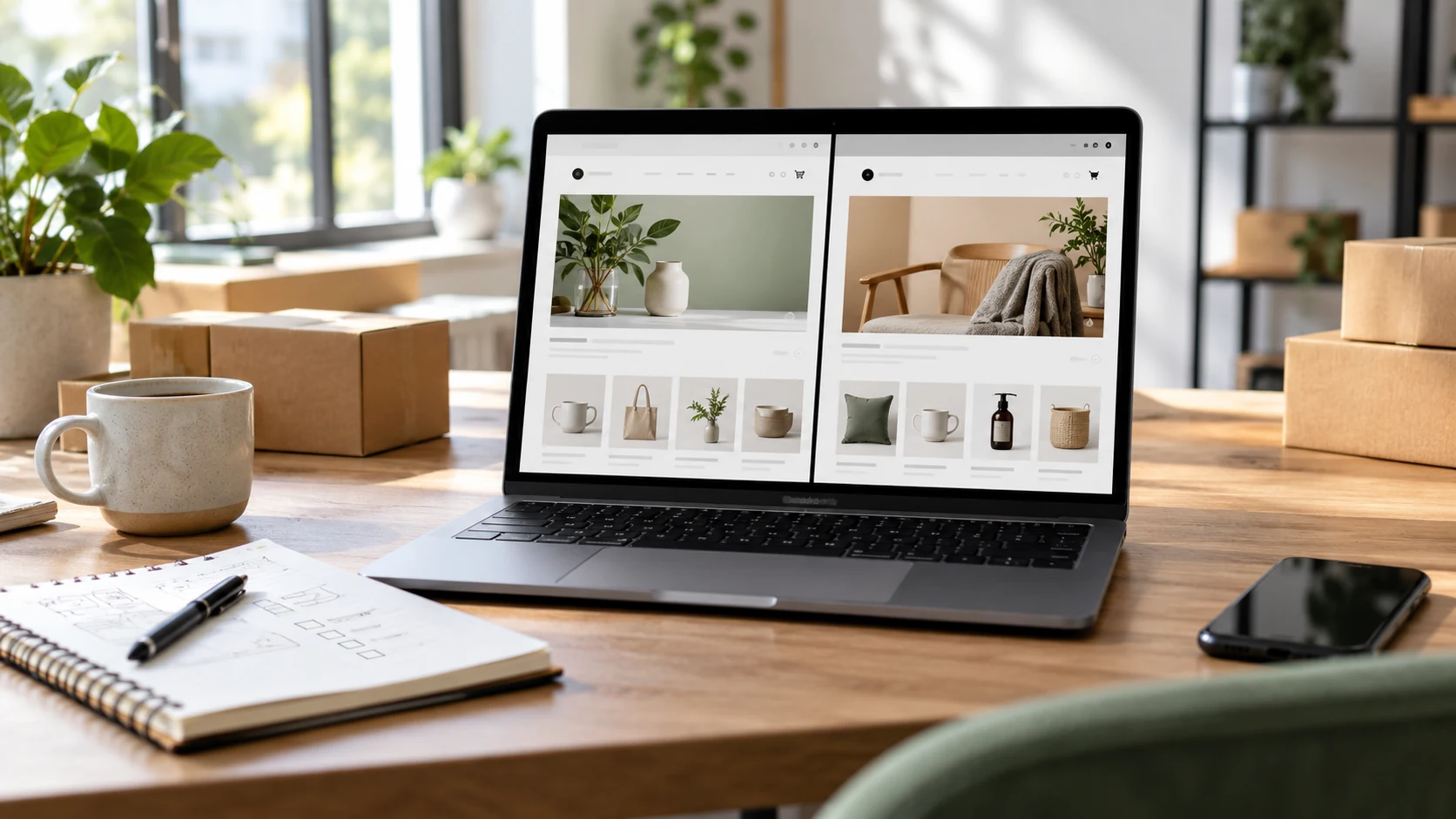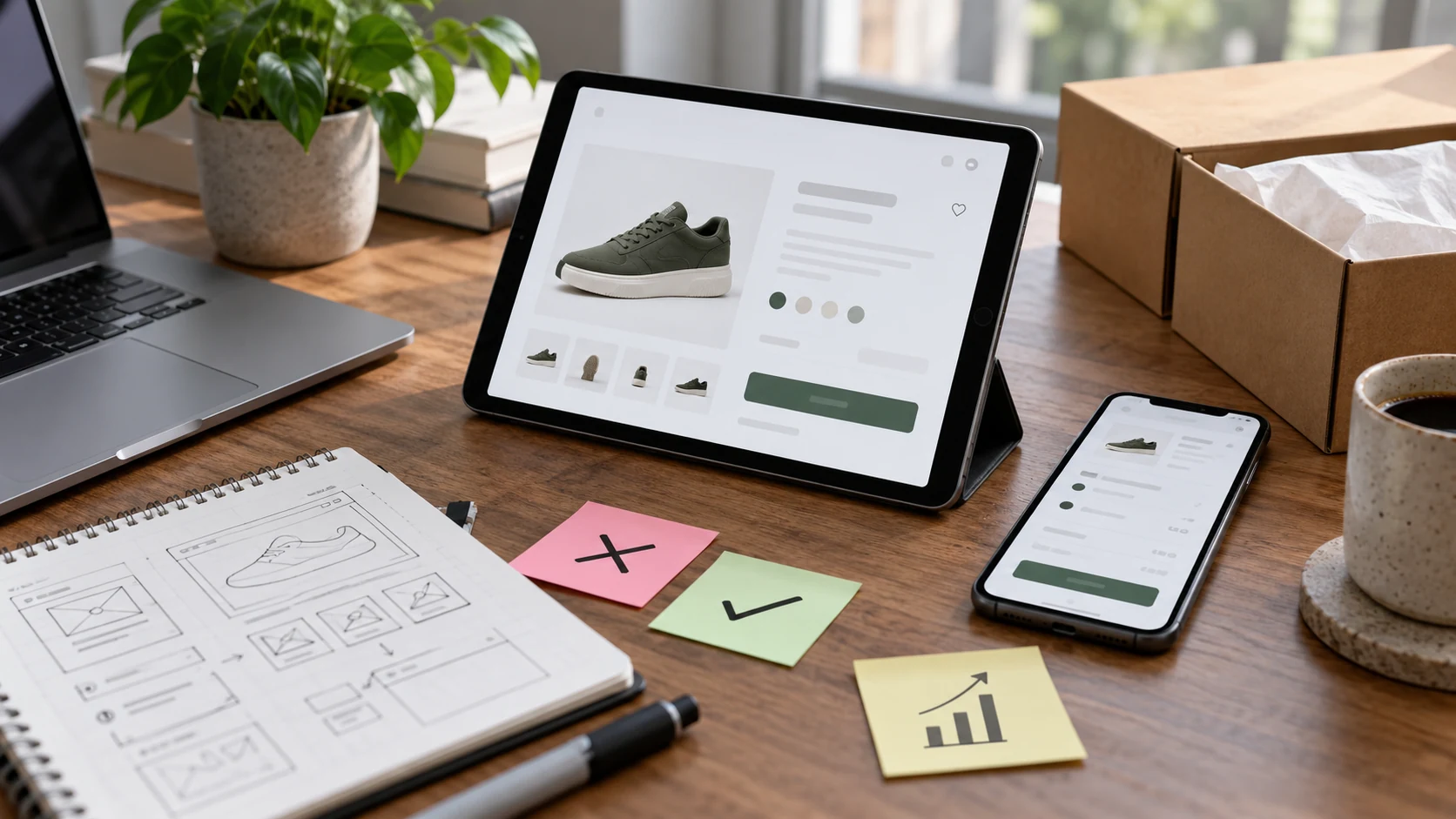
A strong ecommerce launch is less about adding every possible feature and more about removing friction from the buying journey. The store should explain the offer clearly, make products easy to evaluate, and let customers complete checkout with confidence.
1. Review the Storefront
- Homepage explains what you sell and why it matters.
- Navigation makes categories easy to reach.
- Product cards show useful information without visual noise.
- Mobile layout is tested on real screen sizes.
2. Product and Checkout Basics
Product pages should include clear names, pricing, availability, shipping expectations, and trustworthy media. For product SEO, Google recommends structured product information when relevant: developers.google.com/search/docs/appearance/structured-data/product
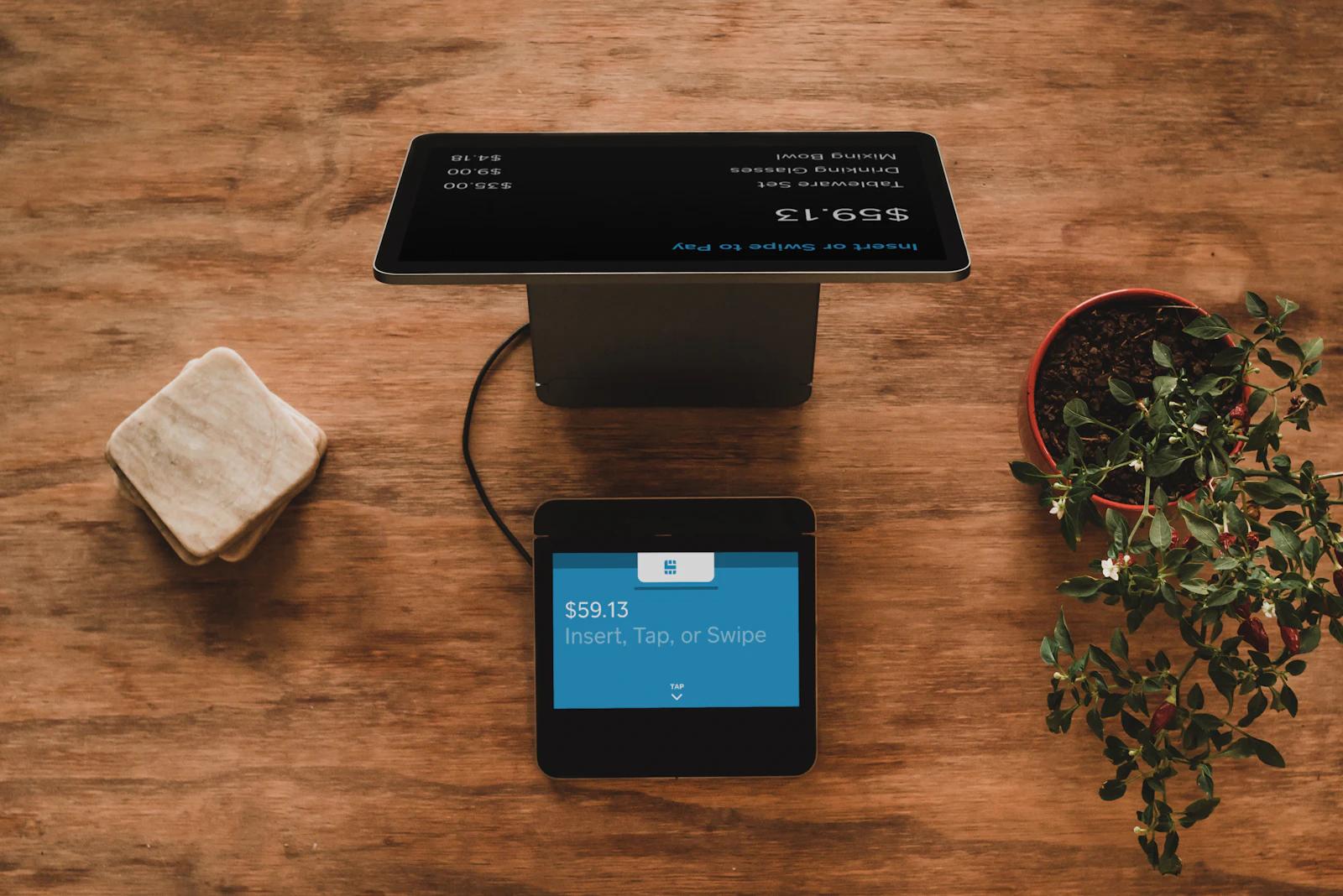
- Test payment methods from start to confirmation.
- Check shipping rates and delivery copy.
- Confirm order emails and WhatsApp/contact flows.
- Verify return and policy pages are visible.
3. Technical Readiness
- Compress images without losing important product detail.
- Use descriptive page titles and meta descriptions.
- Connect analytics before campaigns start.
- Check 404, contact forms, and tracking links.
Ready for the next step?